Wrist Arthroscopy Observership
A short, high-density visit built around the operating list. Two to three consecutive days, ten to twelve wrist arthroscopies, and the time between cases to discuss every indication properly.
At a glance
- Format — two to three consecutive days, arranged around scheduled operating sessions.
- Theatre hours — 07:30 to 15:00 on each operating day.
- Arthroscopic volume — the list is deliberately loaded: ten to twelve wrist arthroscopies concentrated over two days.
- Places — one to two observers per session, four to six sessions per year.
- Fee — none. Travel and accommodation are the observer's own.
Who this is for
The programme is designed for hand and upper limb surgeons — consultants, senior trainees and fellows — who already operate on the wrist and want to build or consolidate an arthroscopic practice. It suits equally the surgeon taking their first steps in wrist arthroscopy and the experienced operator who wants to see how a defined set of indications is handled in a high-volume, single-operator setting.
A working knowledge of wrist anatomy and open wrist surgery is assumed. The discussion runs in English or French, whichever you prefer.
What you will see
The visit is built around arthroscopy rather than around a general hand list. Depending on the operating schedule, the two days typically cover:
- Diagnostic arthroscopy for chronic wrist pain with normal or equivocal imaging
- Scapholunate instability — arthroscopic assessment, capsuloplasty and ligament reconstruction
- TFCC lesions — debridement, repair and the wafer procedure
- Arthroscopic treatment of scaphoid nonunion with bone grafting
- Arthroscopic resection of dorsal and volar wrist ganglia
- Percutaneous and arthroscopically assisted fixation of carpal and distal radius fractures
- Endoscopic carpal tunnel release
- Partial carpal fusions and salvage procedures where indicated
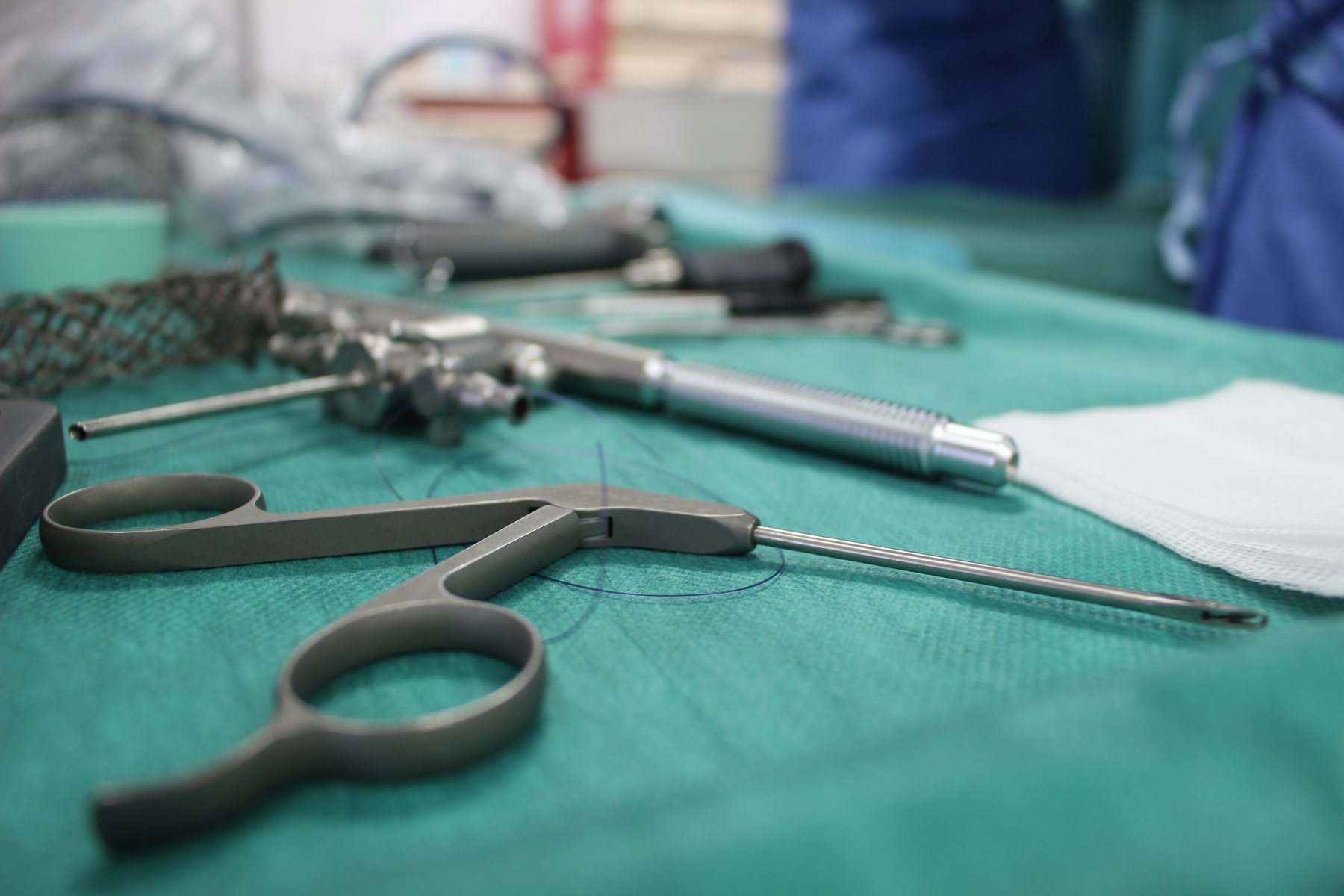
Portal placement, traction setup, instrumentation and the practical detail of getting a difficult scope started are covered as they arise, on the table.
How the days run
In theatre
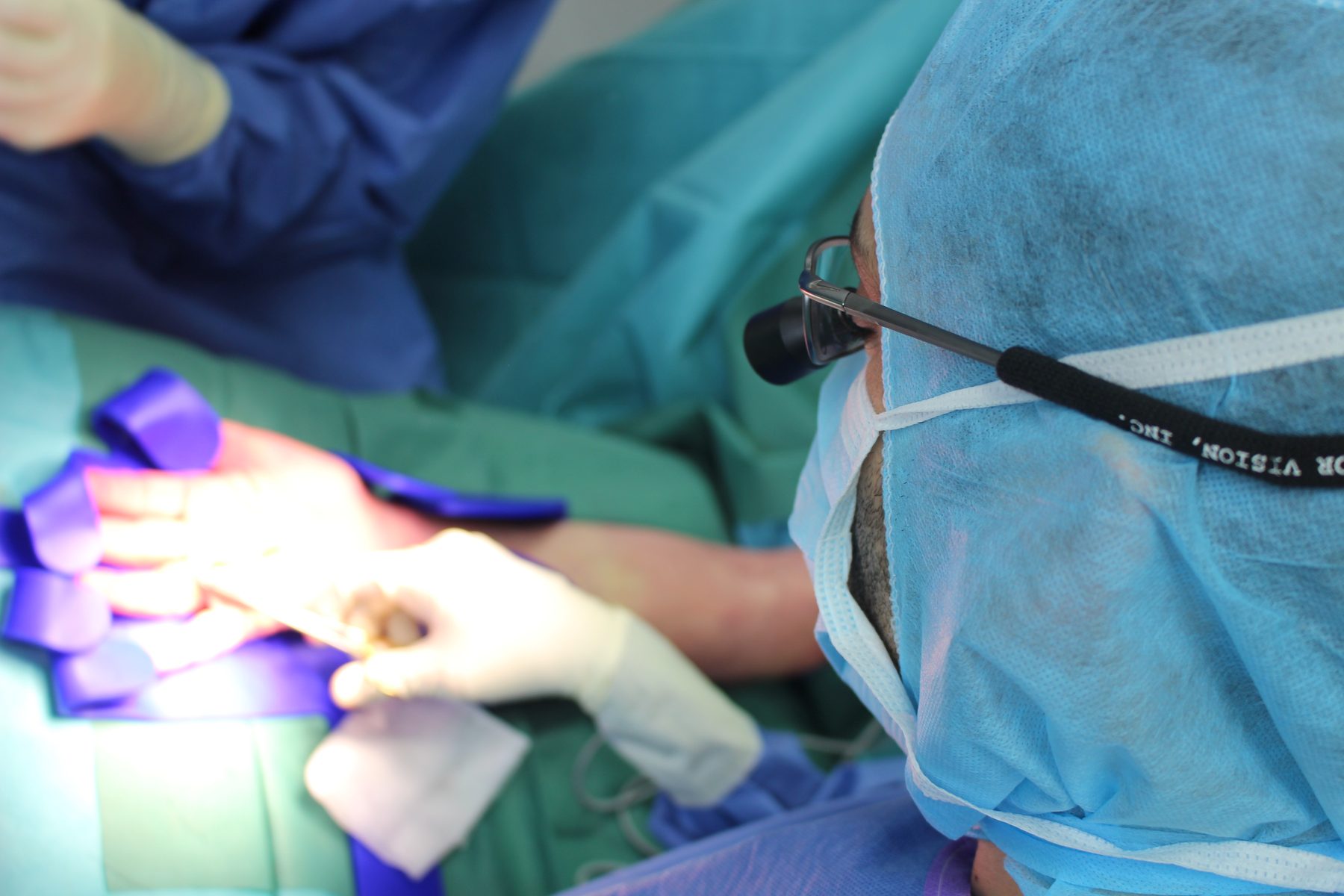
You are in the operating room throughout, positioned to see the tower and the wrist. Indications, imaging and the operative plan are discussed before each case; findings and technical choices are discussed as they happen.
Around theatre
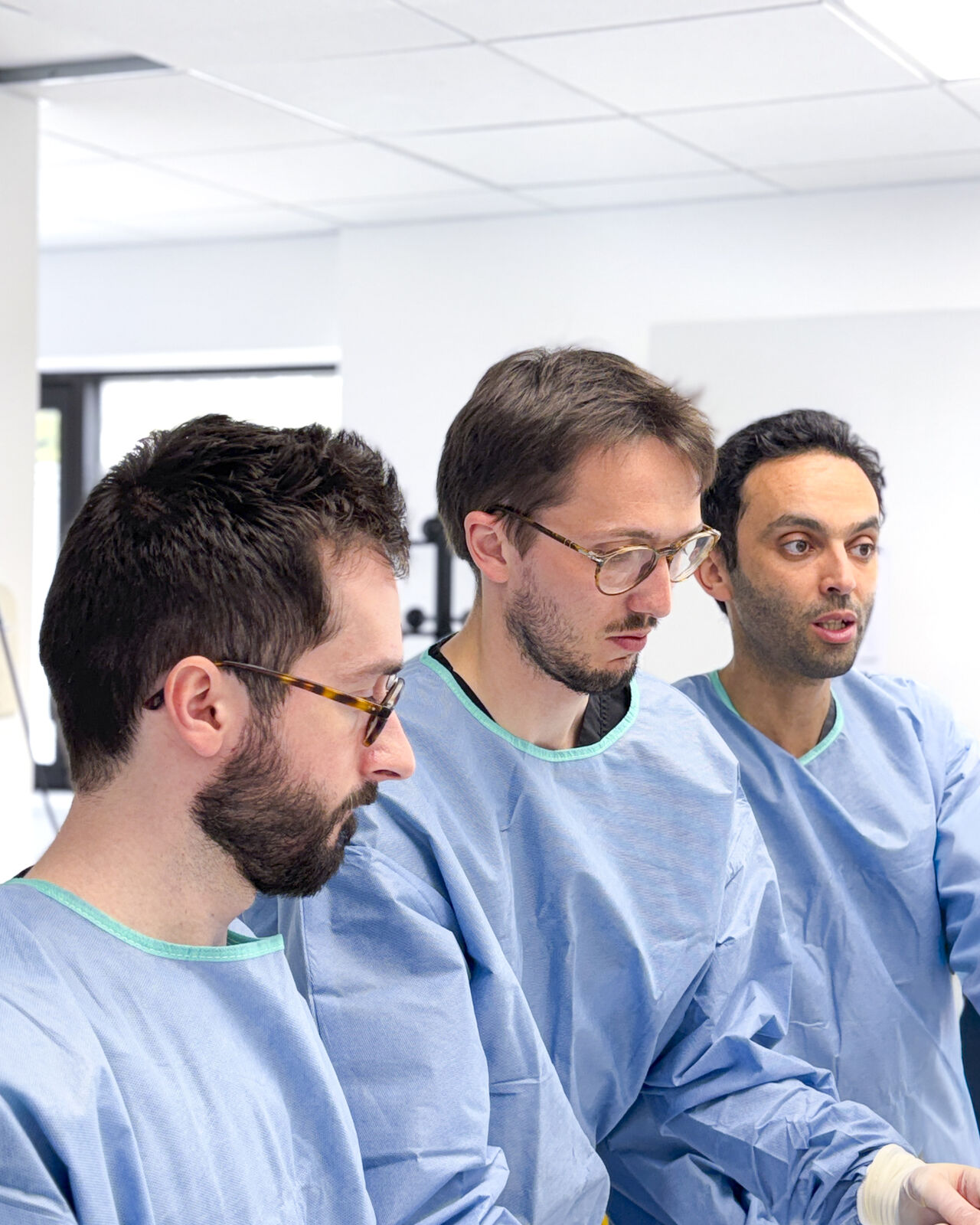
Time between cases and at the end of each day is set aside for questions, review of imaging, discussion of your own difficult cases if you bring them, and conversation about setting up an arthroscopic practice in your own unit.
What is provided — and what is not
This is an observership, not a fellowship or a hands-on course. Under French hospital regulations, visiting surgeons observe: you will not scrub, assist or operate. Everything else about the visit is designed to make that observation as useful as possible.
- Operating room access for the agreed days, with administrative clearance arranged in advance
- A certificate of attendance stating the dates and the case load observed
- Case discussion, imaging review and access to the relevant operative notes in anonymised form
Not included: travel, accommodation, meals outside the hospital, and professional indemnity, which remains your own responsibility.
Getting here
Mulhouse sits in the Upper Rhine valley, at the junction of France, Germany and Switzerland, and is easier to reach than its size suggests.
By air
EuroAirport Basel–Mulhouse–Freiburg is roughly 30 minutes away, with direct connections across Europe. Zurich and Strasbourg are alternatives.
By rail
Mulhouse is on the TGV line: about 2h40 from Paris, 1 hour from Strasbourg, 30 minutes from Basel, 3h30 from Frankfurt.
Hotels are available within walking distance of the hospital; suggestions can be sent with your confirmation.
Applying
Write to drtaleb.institutpoignet@gmail.com with the following, and you will have an answer with proposed dates:
- A short CV (two pages is plenty)
- A few lines on what you want to get out of the visit — the more specific, the better the list can be tailored
- Evidence of specialist registration in your country and of professional indemnity cover
- The periods that would suit you, and any that are impossible
Dates are confirmed once the operating schedule for the period is fixed. Because places are limited and the list has to be built around the visit, three to six months' notice is usually needed.
Questions
Can I operate or assist?
No. Visiting surgeons observe. This is a regulatory constraint in French hospitals, not a preference, and it applies to every visitor regardless of seniority.
Is two days really enough?
For a focused objective, yes — and it is usually more productive than a week spread across a general list. The whole point of the format is that the operating schedule is built around your visit, so the arthroscopic density is far higher than it would be in an ordinary week.
Can I come back?
Yes, and several visitors do. A first visit to see the range, a second to concentrate on one technique, is a pattern that works well.
Do you take trainees who have never done wrist arthroscopy?
Yes. Part of the value of a concentrated list is seeing the same setup repeated ten or twelve times in two days, which is difficult to obtain anywhere else.
Is there a cadaver or dry-lab component?
Not within the observership itself. Hands-on training is covered by the wrist arthroscopy courses run separately with Arthrex and IRCAD — ask if you would like to combine the two.